Our Indigenous Heroes - They Also Served

Published 11 November 2020 1:31pm, By Sarah Collard. Source: NITV News
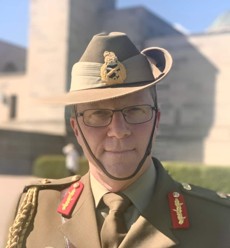
Major General Marcus Thompson's great-uncle, Private Christopher Wilson Carter, was an Indigenous man who died on the battlefields of France in one of the bloodiest campaigns of the Western front.
At just 30-years of age, Private Carter died a long way from his Gunditjmara Country, located in south-western Victoria - and his body never came home.
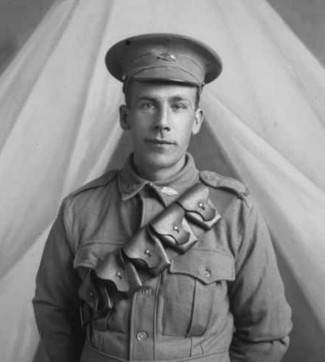
He was one of thousands of countrymen who lost their lives fighting for the Australian Imperial Force and one of a thousand of Indigenous diggers who fought for the King - long before they were recognised as Australian citizens.
Gunditjmara man Christopher Wilson Carter was killed in battle in France during the First World War
It was rumour, whispered about, but never confirmed until he started working with the National War Memorial.
“There had always been this story in my family that this great-uncle who had served and died in World War One was an Indigenous man,” said Major General Thompson.
“The family had been researching our Aboriginality for quite some time but couldn’t quite put their finger on the evidence.”
NAIDOC week has special significance for the Major General as it was last year at the War Memorial that he was able to confirm his Indigenous connections.
Major General Marcus Thompson discovered his great-uncle Christopher Wilson Carter was an Indigenous man from Victoria.
“They volunteered to have a look at it and within 48 hours they came back with concrete proof of my Aboriginal heritage," he said.
“There weren’t a lot of stories passed down from his youth - I have learned more about him since we learnt he was an Indigenous man and the family learned of our Indigenous heritage.
“It’s fabulous that we have the chance to recognise an Indigenous serviceman here at the Australian War Memorial during NAIDOC Week.”
“The family had been researching our Aboriginality for quite some time but couldn’t quite put their finger on the evidence.”
NAIDOC week has special significance for the Major General Thompson as it was last year at the War Memorial that he was able to confirm his Indigenous connections.
“They volunteered to have a look at it and within 48 hours they came back with concrete proof of my Aboriginal heritage."
He said Indigenous servicemen and women deserve to be honoured and fought and died alongside soldiers in every Australian war.
“It’s important that we recognise in every conflict, in every operation and in every deployment ever - with the Australian Defence Force - Indigenous men and women served in those conflicts.
“And the opportunity to recognise those many, many Indigenous men and women who served and in many cases have sacrificed - in some cases the ultimate sacrifice to give Australians the way of life that we now enjoy.”
For his family who travelled to the national capital for a ceremony honouring Private Carter it was an emotional and poignant moment to pay their respects on the national stage.